Explore the origins, colors, hardness, and care of precious and semi-precious stones, with a clear guide to diamond grading and lab-grown distinctions. English and Arabic names are listed for every stone.
Each profile lists the stone's English and Arabic names, origin, color varieties, hardness, and composition.
Diamond | الماس
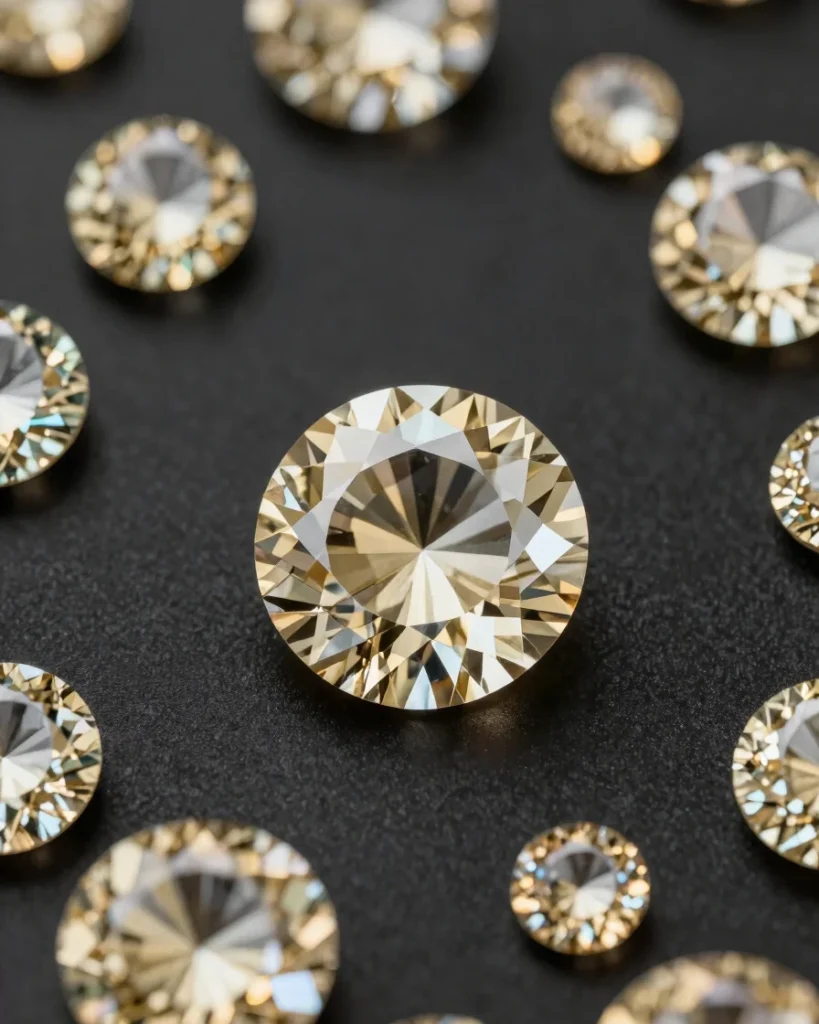
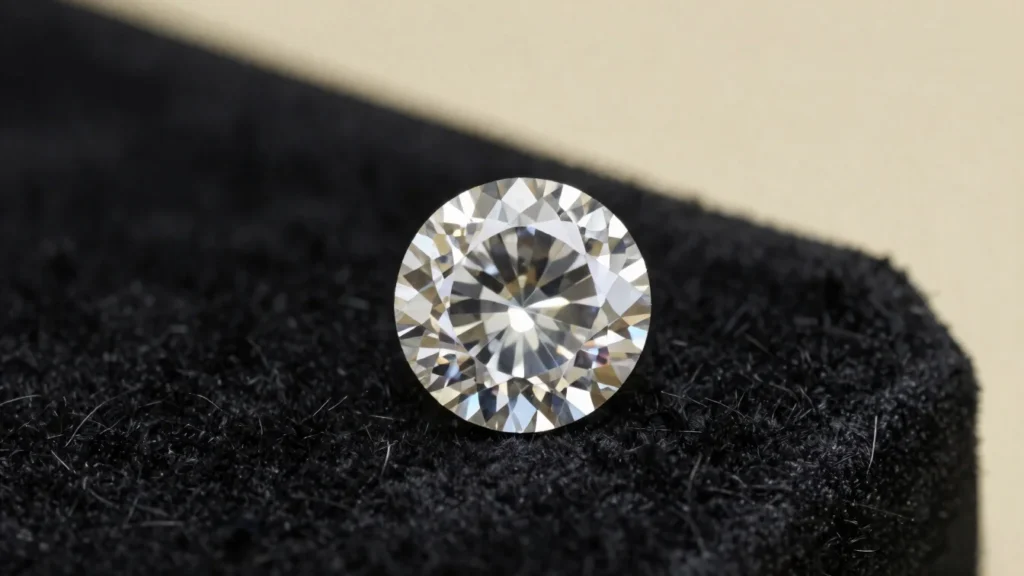
Origin: South Africa, Canada, Russia. Colorless to tinted. Hardness 10 on the Mohs scale. Composition: carbon. Value rests on the 4Cs.
Ruby | الياقوت الأحمر
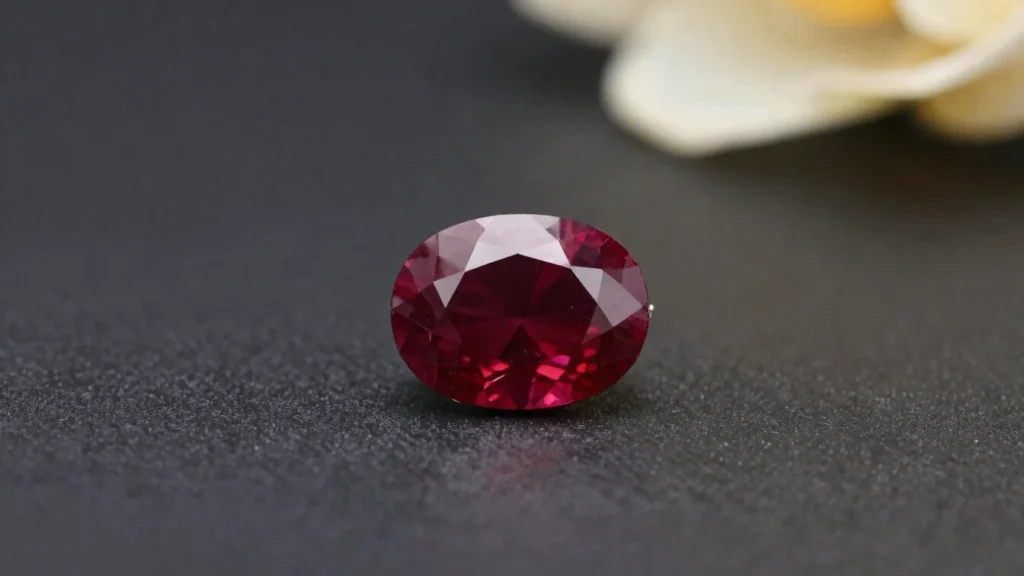
Origin: Myanmar, Thailand, Mozambique. Red color from chromium. Hardness 9 on the Mohs scale. Composition: corundum (aluminum oxide).
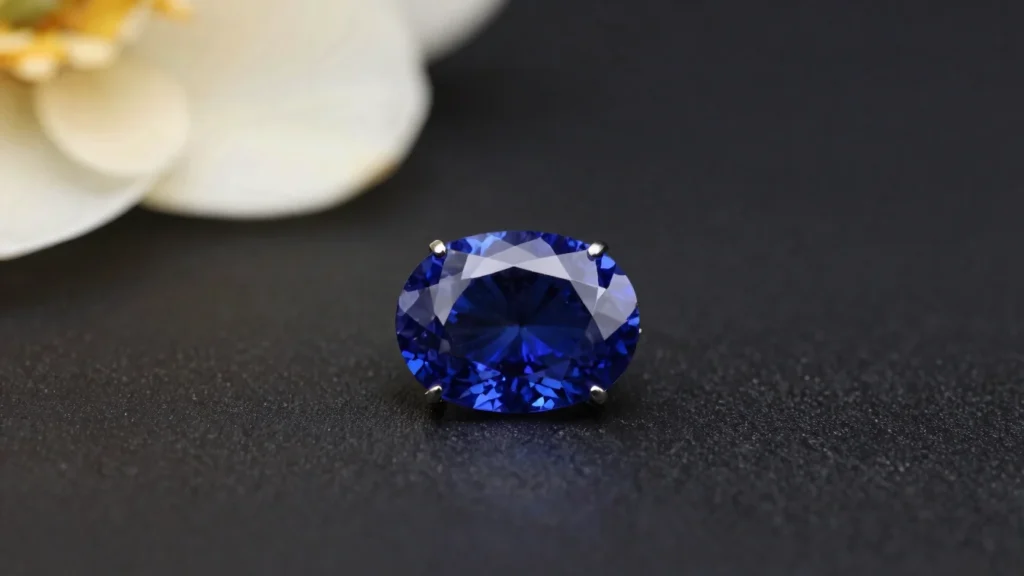
Sapphire | الياقوت الأزرق
Origin: Sri Lanka, Madagascar, Kashmir. Colors span blue, pink, and yellow. Hardness 9 on the Mohs scale. Composition: corundum.
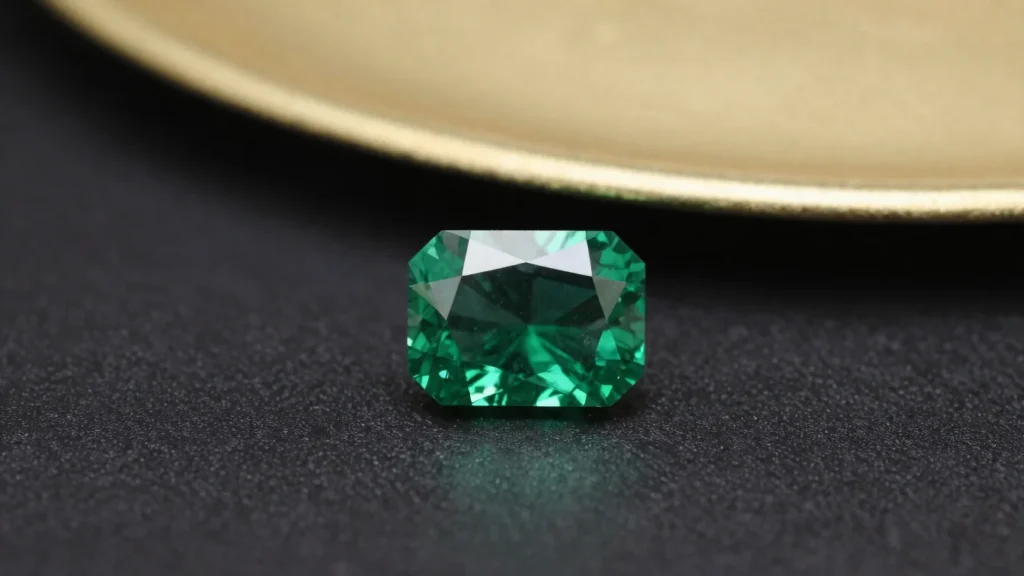
Emerald | الزمرد
Origin: Colombia, Zambia, Brazil. Green color from chromium and vanadium. Hardness 7.5 to 8 on the Mohs scale. Composition: beryl.
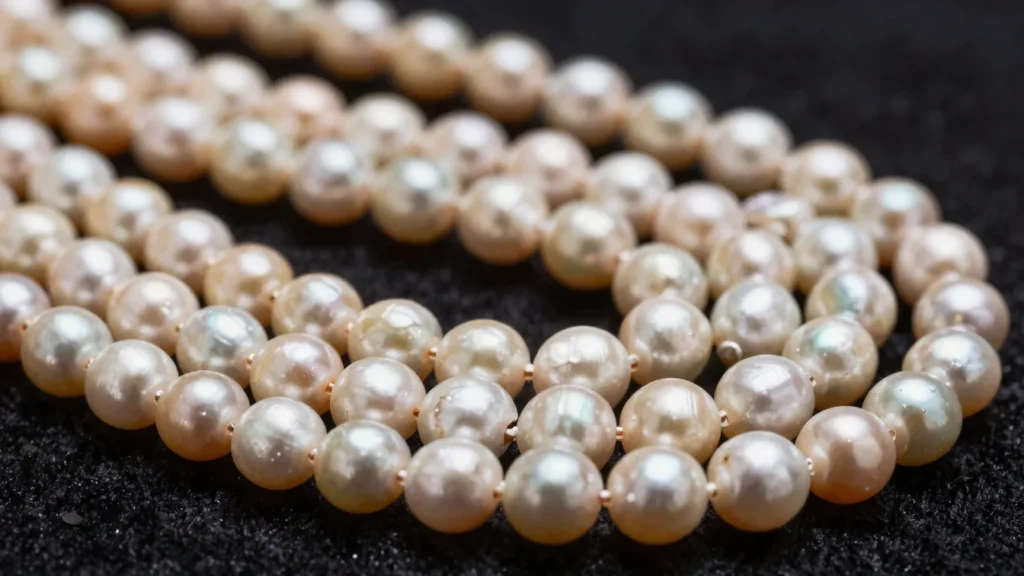
Pearl | اللؤلؤ
Origin: natural from saltwater and freshwater oysters or mussels; cultured in farms. Hardness 2.5 to 4.5. Composition: calcium carbonate with nacre.
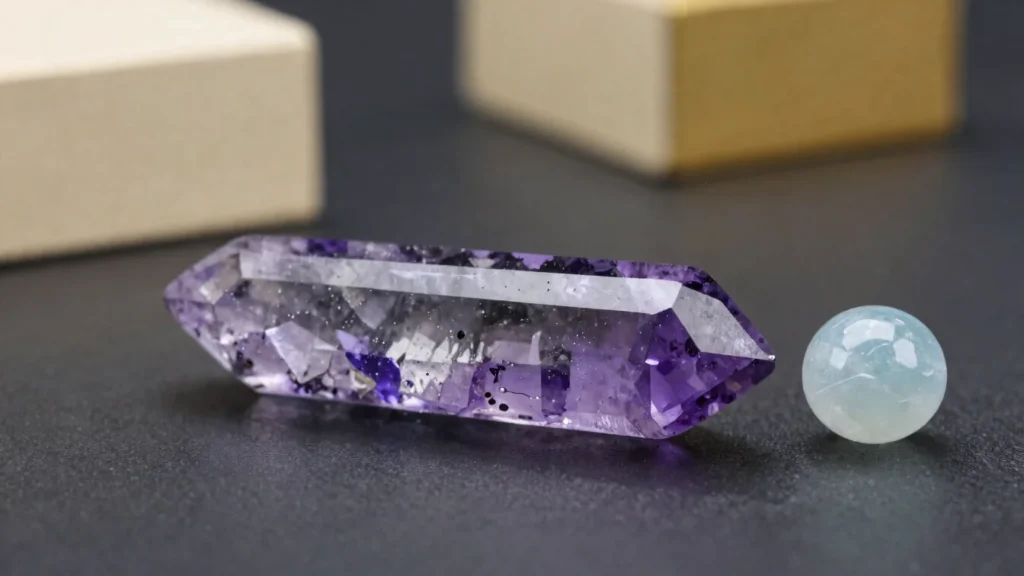
Colored Stones | الأحجار الملونة
Amethyst, aquamarine, topaz, tourmaline, garnet, and opal each have distinct origins and hardness. Care guidance and treatment disclosure accompany every profile.
Diamond Grading
Understanding the 4Cs
Cut, color, clarity, and carat weight shape a diamond's appearance and value. Each is graded independently.
Cut, Color, Clarity, Carat
Cut governs brilliance. Color grades the absence of tint on the GIA scale from D to Z. Clarity measures internal inclusions. Carat measures weight, where one carat equals 0.2 grams.
Natural versus Lab-Grown
Natural diamonds form over billions of years in the earth. Lab-grown diamonds share the same carbon structure and are created in controlled settings. Both are disclosed clearly so you can choose with confidence.